
Tank Water Heater Repair in Fort Collins, CO
Tank water heater repair in Fort Collins begins with finding why stored water is cold, noisy or running short. Fix Plumbing Fort Collins checks the tank condition before recommending a repair.
Quick Answer
Tank water heater repair in Fort Collins can address sediment, faulty water connections and parts that affect stored hot water. We check symptoms, water temperature and tank condition before choosing a repair. A tank body that leaks needs replacement, while a leaking fitting or valve may be repairable after inspection.
What Can Tank Water Heater Repair in Fort Collins Fix?
A sound storage tank may need a part repaired rather than a new heater. The first check separates a heating problem from a leak or short supply.
Our water heater diagnostic service checks cold taps, lukewarm showers and heating noise. We trace rusty water to its source.
Temperature
Check cold and lukewarm supply.
Tank condition
Look for corrosion and water trails.
Noise
Identify sediment-related sounds.
Repair choice
Separate part faults from tank failure.
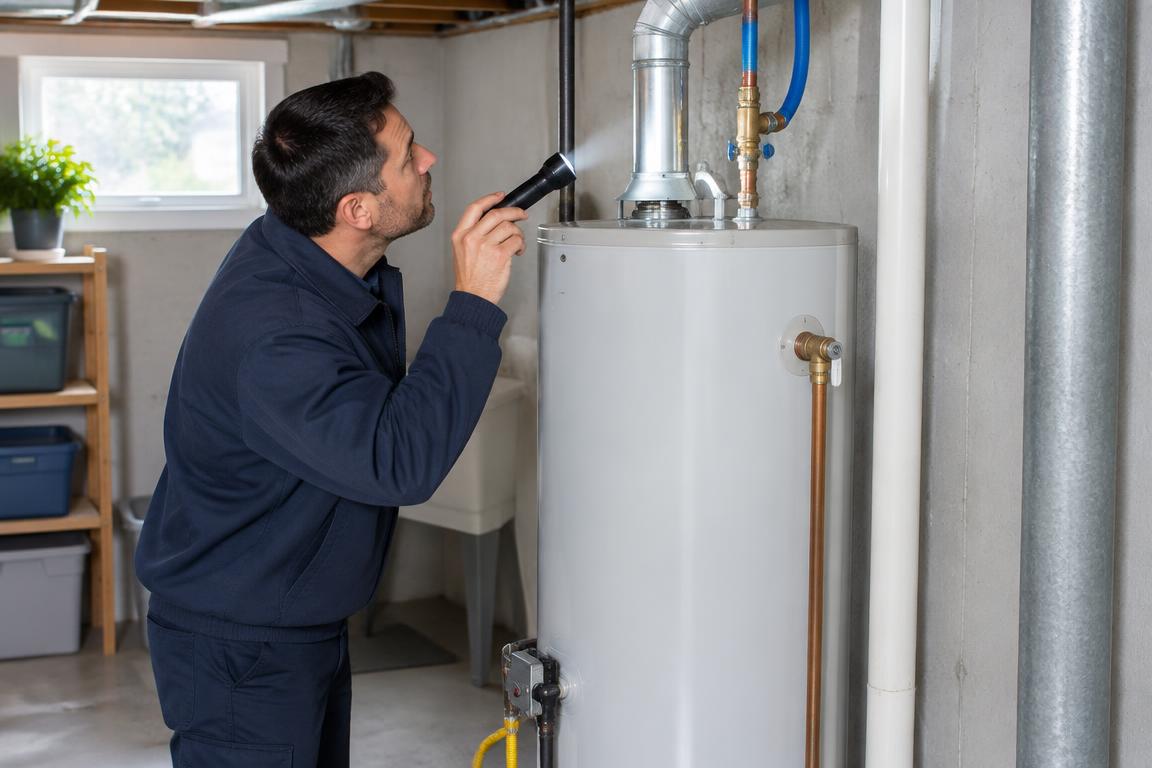
Signs Your Home Needs Tank Water Heater Repair
Changes in sound, temperature or water color can point to a storage tank fault. Note when each symptom happens.
No hot water
Every hot tap stays cold even after waiting.
Popping inside
The tank crackles or pops while heating water.
Lukewarm shower
Water warms briefly but never reaches the usual temperature.
Short supply
The shower turns cold sooner than it used to.
Rust-colored water
Hot water leaves brown staining while cold water stays clear.
Relief pipe drips
Water appears at the safety valve discharge pipe.
How We Do Tank Water Heater Repair in Fort Collins
We use your symptoms to narrow the cause, then test before recommending work.
- 1
Hear the history
We ask when the change started and which taps are affected.
- 2
Trace water paths
We inspect fittings, the tank shell and discharge pipe.
- 3
Check stored water
We compare temperature and recovery with household use.
- 4
Explain repair limits
We distinguish a replaceable part from a damaged tank.
- 5
Complete and recheck
We repair the agreed fault and confirm water delivery.
Tank Symptoms: What Might Be Causing Them?
Several faults can share a symptom. These are starting points for testing, not a diagnosis from a sound alone.
| Symptom | Likely cause | What we do |
|---|---|---|
| Popping or rumbling | Sediment at the tank bottom | Inspect condition and consider a sediment flush |
| Brief hot supply | Demand change or damaged dip tube | Compare use and inspect water delivery |
| Rusty hot water | Corrosion in tank or piping | Trace staining and assess tank condition |
| Relief valve drips | Pressure, heat or valve trouble | Check the system before changing the valve |
| Water beneath tank | Fitting leak or tank body failure | Locate the source and explain repair limits |
What Do Sediment, a Dip Tube and an Anode Rod Do?
These parts affect heat transfer, stored water supply and corrosion inside a tank.
- Sediment is mineral debris that settles at the bottom. It can create popping sounds as the heater works.
- A dip tube carries incoming cold water toward the tank bottom. Damage can let cold water mix near the hot outlet.
- An anode rod is a metal rod that helps protect the tank from corrosion. Its condition matters during a tank inspection.
A sediment flush may help a suitable tank. It cannot reverse corrosion. Never cap a dripping relief line.
Repair or Replace: How We Decide
Tank condition matters more than age alone. A leaking tank body cannot be repaired with a new valve.
- A sound tank with an isolated part fault may support repair.
- A corroded shell or leaking tank calls for replacement.
- Repeated faults and shrinking hot supply deserve a wider review.
We weigh condition and previous repairs before suggesting work.
Which Specialist Repair Does Your Tank Need?
Some faults need focused gas, electric or temperature-control checks rather than general tank service.
How to Choose a Water Heater Repair Company
Ask a licensed water heater repairman in Fort Collins to explain what was tested and why repair is suitable.
- Check licensing and insurance.
- Ask whether the leak is from the tank or a connection.
- Request a clear written quote and an honest repair-or-replace explanation.
Why Tank Trouble Shows Up During Cold Fort Collins Weather
Cold incoming water can make a weak heater’s short supply more noticeable.
- Allow for longer recovery after busy shower periods.
- Report popping that grows louder while heating.
- Tell us if a garage or basement pipe has frozen.
Need Help With a Cold Shower?
Call our live dispatcher for 24/7 hot water heater repair in Fort Collins.
Why Fort Collins Homeowners Choose Us
Our home-focused checks help you understand what failed and what can be repaired.
Careful diagnosis
We follow the symptom instead of swapping parts blindly.
Repair advice
Tank condition guides the recommendation.
Family-owned service
Northern Colorado residential plumbing since 2009.
Quote before work
The repair scope is written before we begin.
Water Heater Service in Fort Collins and Nearby Towns
We provide tank water heater repair near Fort Collins, Loveland, Windsor and the towns below.
Tank Water Heater Repair Questions
These answers explain common tank symptoms and the checks that follow.
Why is there no hot water in my house?
No hot water can come from a heating fault or interrupted supply. We check which taps are affected and how the heater behaves. Gas and electric tanks need different tests. Leave gas, electrical and venting work to a licensed plumber rather than opening the unit.
Why does my tank water heater make popping sounds?
Popping often happens when water heats beneath mineral debris at the tank bottom. Sound alone does not reveal tank condition. We inspect whether flushing is suitable. Noise together with leaks or reduced hot supply needs a broader check before we choose the right service.
Should I flush my tank water heater?
A flush can remove loose sediment, but tank condition and service history determine whether it is suitable. Corrosion or an aging drain valve changes the plan. We inspect before recommending service. Do not drain a hot tank yourself: water can scald and the heater must not run empty.
Can a leaking tank be repaired?
A leak from the tank body means the storage vessel has failed and needs replacement. A water connection, drain valve or relief valve may be repairable instead. We trace where water starts before making that distinction. If safe, shut off the water and keep away from wet electrical equipment while arranging a licensed inspection.
How old is too old to repair a tank water heater?
Age is one clue, not a repair cutoff. We examine corrosion, leak location, previous repairs and hot water supply. A sound older tank with one part fault differs from a failing shell. Those findings help you compare repair with replacement before approving the work.
Can you repair my tank water heater the same day?
Same-day hot water heater troubleshooting and repair are available on many residential jobs. The fault, access and available parts affect completion. Tell our dispatcher about cold water, noises or leaks. We inspect the cause before explaining what can be repaired during the visit.
What affects the cost of tank water heater repair?
The failed part, tank condition, fuel type and location affect repair work. Venting, gas line issues and local code items can change the scope. Replacement and haul-away matter if the tank has failed. We give a clear written quote before work starts for your review.
Related Water Heater Services
Follow a focused repair topic or review replacement.
Restore Your Home’s Hot Water
Discuss tank symptoms with our dispatcher.
Last updated: October 2026