Tankless Water Heater Installation in Fort Collins, CO
Tankless water heater installation in Fort Collins matches on-demand heating to your home’s busiest water use. Fix Plumbing Fort Collins reviews fuel, venting and winter demand before choosing a unit.
Quick Answer
Tankless water heater installation in Fort Collins heats water as it flows instead of storing a tankful. Whole-home sizing depends on simultaneous fixture use and cold incoming water. We check gas or electrical capacity, venting, wall space and service access, then provide a clear written quote before fitting and testing the system.
How Does Tankless Water Heater Installation in Fort Collins Work?
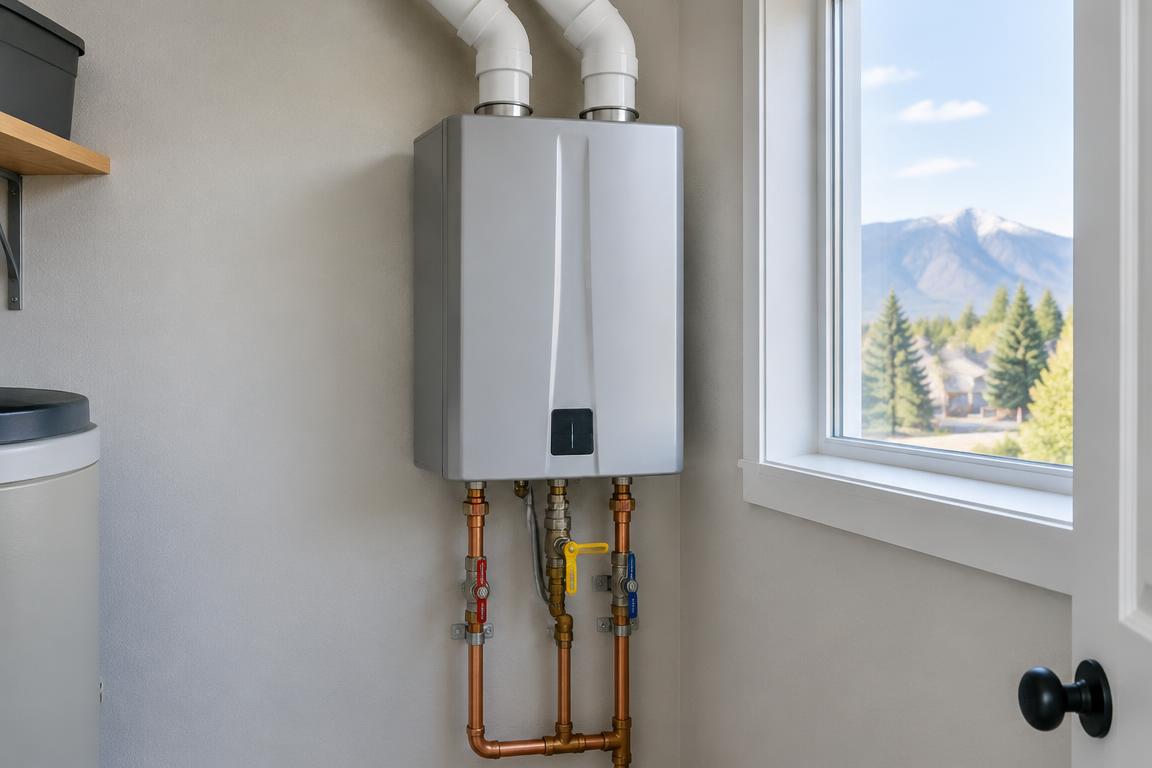
On demand water heater installation heats flowing water when a hot tap opens. There is no stored tank to empty, but the unit has a limited heating capacity.
A whole house tankless water heater install must cover the fixtures you use together. Switching from a tank needs a site review, not just a wall mount. We compare demand with fuel supply and available service space.
Output
Sized for fixtures running together.
Winter
Cold inlet water changes output.
Wall space
Compact unit with service clearance.
Upkeep
Valves allow scale removal later.
Signs Your Home Needs Tankless Water Heater Installation
Tankless may suit a home needing continuous heating or reclaimed floor space. Check these needs before choosing it.
Busy mornings
Several showers compete for stored hot water.
Large tub
A long fill tests the current tank supply.
Crowded utility room
A wall-mounted unit may release floor space.
Tank conversion
Existing connections need a fresh capacity review.
Changing household
New routines can alter simultaneous water demand.
Future maintenance
Service valves need room for flushing equipment.
How We Do Tankless Water Heater Installation in Fort Collins
Our tankless water heater installers in Fort Collins check capacity before mounting and commissioning the unit.
- 1
List simultaneous fixtures
We identify shower, faucet and appliance overlap.
- 2
Calculate winter demand
We account for colder inlet water.
- 3
Inspect utilities and venting
We review fuel supply and the exhaust route.
- 4
Mount and connect
We fit the unit with drainage and service access.
- 5
Test running fixtures
We confirm operation under shared household demand.
Tank or Tankless: How They Compare
Tankless provides ongoing heating within its output limit. A tank supplies stored hot water and then needs recovery time.
| Consideration | Storage tank | Tankless |
|---|---|---|
| Hot water supply | Stored volume, then recovery | Continuous heating within capacity |
| Space | Floor-standing storage unit | Wall mount with clearances |
| Conversion | May use existing tank connections | Fuel and vent changes may be needed |
| Upkeep | Tank condition and sediment checks | Inlet filter and scale removal |
What Changes When You Switch From a Tank
To convert a gas water heater to tankless, we check each connection for the new unit’s needs.
- Review gas line capacity or electrical supply.
- Plan vent pipes and outside termination.
- Provide a condensate drain where needed. Condensate is water formed as exhaust cools.
- Fit descaling valves, connections used to flush mineral buildup.
- Choose wall space that leaves room for service.
How We Size a Tankless Unit
Residential tankless water heater sizing uses flow rate and temperature rise together.
Flow rate means how much water passes through each minute. Temperature rise is how much hotter that water must become. Cold winter inlet water needs a bigger rise, which can reduce the flow a unit can heat.
Gas tankless water heater installation in Fort Collins includes checking combustion and venting at local altitude. Electric tankless water heater installation also needs a capacity check: whole-home demand can require substantial electrical supply.
Navien and Rinnai Installation Options
We install Navien and Rinnai units after checking the home’s demand and connections.
Navien
Navien tankless water heater installation includes vent, drainage and service access checks.
Rinnai
A Rinnai tankless water heater installer in Fort Collins reviews fuel supply and fixture demand.
How to Choose a Tankless Water Heater Installer
Choose licensed, insured installers who explain sizing and conversion work before selecting equipment.
- Ask how winter inlet temperatures affect output.
- Check who reviews fuel capacity and venting.
- Request a written installation scope.
- Discuss flushing access and future upkeep.
Will On-Demand Heating Keep Up With Fort Collins Winter?
A properly sized unit accounts for colder water entering the home during winter.
- Plan for overlapping showers on cold mornings.
- Keep required vent openings clear of snow.
- Ask about exposed pipe freeze protection.
Considering a Tank-to-Tankless Switch?
Speak with our dispatcher about wall space, fixture demand and a home assessment.
Why Fort Collins Homeowners Choose Us
Our professional tankless plumbing contractors plan the installation around your home’s actual use.
Residential planning
We check fixture overlap before sizing.
Licensed and insured
Fuel and venting work receive professional checks.
Local service
Family owned, serving homes for 15+ years.
Clear quote
You review connection changes before work.
Water Heater Service in Fort Collins and Nearby Towns
Our team provides compact wall mount water heater installation across Fort Collins and Northern Colorado.
Tankless Water Heater Installation Questions
On-demand performance depends on sizing and household use.
Is a tankless water heater worth choosing for my home?
Tankless can suit a household that wants ongoing hot water and more floor space. It is not the right fit for every home. Conversion may require fuel, venting or drainage changes. We compare those needs with your daily use and explain the tradeoffs, including regular scale removal, before you decide between a tank and tankless unit.
Will a tankless system really never run out of hot water?
A tankless unit does not run out of stored water because it heats water as it flows. However, it can only heat a certain flow at once. Too many showers or faucets running together can exceed that output. Endless hot water system installation means continuous heating within the unit’s capacity, not unlimited simultaneous fixture use.
Can I convert from a tank, and will I need a bigger gas line?
A tank-to-tankless conversion is possible in many homes, but the gas line needs a capacity check. The existing line may not supply the new unit while other gas appliances run. We inspect fuel supply, wall space, venting and drainage together. Any gas line changes belong in the written scope and need a licensed plumber.
How long does tankless water heater installation take?
The schedule depends on how much the home needs to change. Replacing an existing tankless unit differs from adding venting, a drain or new supply connections for a tank conversion. We explain the sequence after the site check. Access to the utility room and the chosen equipment also affect when the work can be completed.
Does tankless work during a Fort Collins winter?
Yes, tankless can heat water during winter when sized for colder inlet temperatures. The unit must raise that cold water farther to reach the tap setting. That changes how much flow it can heat at once. We consider winter demand during sizing and explain any limits when multiple showers or appliances operate together.
What affects the cost of tankless water heater installation?
Unit size, fuel type, venting, gas line capacity and heater location shape the installation work. Condensate drainage, electrical changes, local code items and old-unit haul-away may also affect the scope. For a tankless water heater installation estimate, we give a clear written quote before work starts, explaining the selected unit and connection changes.
Are Colorado rebates available for a tankless installation?
Some local utility rebates and Colorado incentives may be available, but eligibility depends on the equipment and current program rules. Fort Collins Utilities electric customers can check Efficiency Works. Funding changes, and some programs require steps before installation. Confirm details before buying. The federal heat pump water heater tax credit ended on December 31, 2025.
Related Water Heater Services
Get tankless repairs or compare other heater types.
Plan On-Demand Hot Water
Discuss your installation.
Last updated: October 2026